

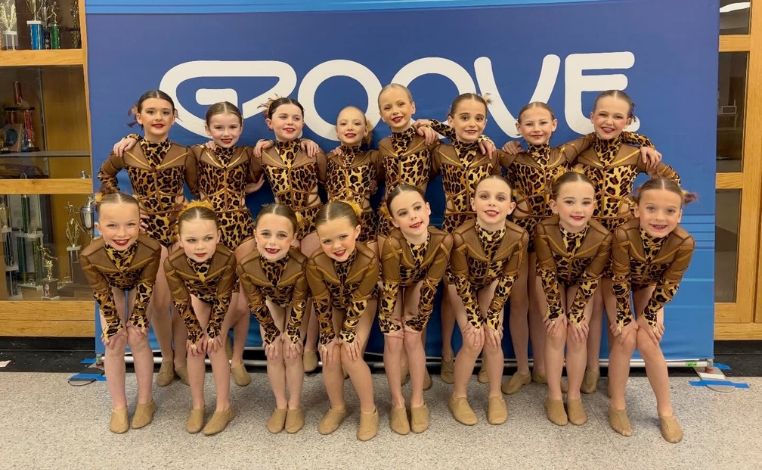
When it comes to excelling in dance and gymnastics, skill and technique are only part of the equation. Equally important is a strong performance mindset. This isn’t about pressure or perfection but about helping young athletes build confidence, focus, and resilience so they can perform their best on stage, on the mat, or in competition.
A performance mindset allows dancers and gymnasts to approach every class, rehearsal, and event with clarity and purpose. It’s what helps a gymnast stick a landing under pressure or a dancer hit every note of choreography without hesitation.
The good news is that mindset skills can be learned, practiced, and reinforced just like technique.
Understand the Role of Mindset in Performance
Mindset shapes how athletes react to challenges, mistakes, and success. In dance and gymnastics, this can mean the difference between a shaky routine and a polished, confident performance. Kids who develop a strong performance mindset:
- Stay focused even when things get tough
- Bounce back quickly from mistakes
- Trust their training and preparation
- Approach performances with excitement rather than fear
A growth-oriented mindset—believing skills can improve with effort—is particularly powerful. It encourages perseverance and curiosity rather than discouragement when facing complex moves or new choreography.
Practical Tips to Build a Performance Mindset
1. Focus on the Process, Not Just the Outcome
It’s easy to get caught up in winning competitions or hitting a flawless routine. Instead, encourage young athletes to focus on what they can control: preparation, effort, and execution.
For example:
- Break routines into smaller goals (“nail this sequence first”)
- Celebrate effort and improvement, not just perfection
- Encourage reflection after each session to identify wins and next steps
This keeps performance pressure manageable and builds confidence through consistent progress.
2. Visualization and Mental Rehearsal
Visualization is a tool used by elite dancers and gymnasts alike. Before stepping on stage or approaching a routine, imagine success in detail: movements, timing, posture, and even the feeling of landing cleanly or finishing strong.
- Take a quiet moment before practice or performance
- Picture every move with precision
- Pair visualization with positive self-talk (“I’ve trained for this, I can do it”)
These mental rehearsals prepare the brain to execute movements smoothly under pressure.
3. Practice Mindful Focus
Distractions happen—audience noise, judges’ presence, or nerves. Teaching athletes to bring focus back to the present moment is key.
- Use breathing techniques to reset after mistakes
- Break routines into chunks and concentrate on one section at a time
- Encourage awareness of body movement and alignment rather than negative thoughts
Mindfulness builds resilience and keeps stress from affecting performance.
4. Embrace Mistakes as Learning Opportunities
Every dancer or gymnast has off days. Instead of framing mistakes as failure, teach athletes to view them as information about what to adjust next.
- Review what went wrong objectively
- Identify one actionable improvement for next time
- Encourage a positive attitude and self-compassion
This approach reduces performance anxiety and fosters long-term skill growth.
5. Set Realistic, Achievable Goals
Goal setting keeps young performers motivated and gives them clear benchmarks to measure progress. For dance and gymnastics:
- Set short-term goals (learning a new skill, perfecting a combination)
- Set long-term goals (performing confidently in a recital or competition)
- Track progress and celebrate small wins along the way
Goals help channel focus and make improvements feel tangible.
Coaching and Support Make a Difference
A strong mindset doesn’t develop in isolation. Coaches and instructors play a critical role by:
- Providing constructive, specific feedback
- Modeling confidence, composure, and focus
- Encouraging athletes to reflect on progress and embrace challenges
Parents and caregivers also support mindset development by emphasizing effort over outcome, reinforcing positive self-talk, and helping children manage performance stress without criticism.
The Payoff of a Strong Performance Mindset
When dancers and gymnasts cultivate this mindset, it shows. They approach each routine with confidence, handle mistakes without panic, and stay present even under pressure. Beyond competitions or recitals, these skills transfer to school, teamwork, and everyday life.
Developing a performance mindset isn’t about eliminating nerves—it’s about giving young athletes the tools to perform their best, trust themselves, and enjoy the process. With practice, guidance, and encouragement, dancers and gymnasts can harness the power of mindset to elevate every performance.
Ready to build confidence, focus, and resilience in your child’s dance or gymnastics journey? At Tapio School of Dance and Gymnastics, we combine expert instruction with mindset training to help every athlete perform at their best. Schedule a consultation or visit us today to see how we nurture both skill and confidence.