

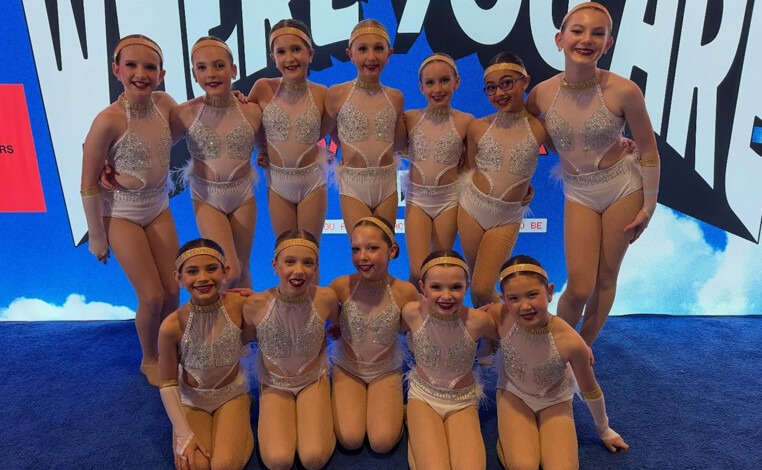
Floorwork isn’t just a cool part of a dance routine or tumbling sequence — it’s a foundational skill that builds strength, flexibility, and confidence. At Tapio School of Dance and Gymnastics, we see firsthand how mastering floorwork can transform a dancer or gymnast’s performance, making movements look smoother, stronger, and more expressive.
Whether your child is learning basic rolls or practicing intricate transitions, floorwork is about control, awareness, and connection to the floor. It teaches students how to move safely, stay grounded, and link skills seamlessly from one move to the next.
Why Floorwork Matters
- Builds Strength and Control: Good floorwork requires core stability, arm strength, and body awareness. Each roll, slide, or transition challenges the body to move efficiently while maintaining alignment, which translates into stronger jumps, turns, and lifts.
- Improves Flexibility and Coordination: Floorwork encourages students to stretch and extend in new ways. Rolling, stretching, and moving across the floor enhances coordination between different parts of the body, which is essential for both dance and tumbling skills.
- Develops Performance Flow: Transitions matter. In dance and gymnastics, routines aren’t just about isolated moves but about how you get from one to the next. Floorwork teaches students to move fluidly, making their routines look effortless and polished.
- Builds Confidence and Mindset: Mastering floorwork can feel challenging at first. Successfully navigating rolls, spins, and slides gives students a sense of achievement, helping them trust their abilities and take risks in choreography or tumbling sequences.
Practical Tips for Practicing Floorwork
- Start with the Basics: Practice forward rolls, backward rolls, and simple slides on a soft mat. Focus on smooth, controlled movements rather than speed.
- Engage Your Core: Strong core muscles make floorwork safer and more effective. Encourage your child to keep their core engaged during every movement.
- Link Moves Together: Once basic skills feel comfortable, try combining them into short sequences. This helps build flow and confidence.
- Stay Mindful: Awareness of body placement, hand positioning, and alignment prevents injuries and makes transitions look clean.
How Floorwork Fits Into Dance and Tumbling
In dance, floorwork adds texture and expression, giving routines a dynamic edge. In gymnastics, it builds foundational skills for tumbling, balancing, and floor routines. Students who practice floorwork regularly often show noticeable improvements in strength, flexibility, and confidence on stage, on the mat, and in every other skill they learn.
The Tapio School of Dance and Gymnastics Approach
At Tapio School of Dance and Gymnastics in Mount Pleasant, we integrate floorwork into both dance and gymnastics classes with careful guidance and personalized feedback. Our instructors help students master movements safely while encouraging creativity and confidence. Floorwork isn’t just a skill but a tool that strengthens the body, sharpens technique, and nurtures a growth mindset.
Ready to see how floorwork can elevate your child’s skills? Join us at Tapio School of Dance and Gymnastics to explore classes that build strength, confidence, and performance excellence. Every roll, slide, and transition is a step toward mastery.